For a wider scope of Iman’s photography work, please visit her Instagram @flicksbyiman.
The Underbelly of Southeast Asia’s Palm Oil Empire by Iman June Blackwell
An article and photojournalism piece shot in Selangor, Malaysia that explores the human and environmental costs of the Southeast Asian palm oil industry and expounds on the colonial history that laid the foundation for these modern systems.
Read the full publication on Science Politics, Georgetown University Walsh School of Foreign Service’s new leading publication for journalism that covers stories about domestic and international policy at the intersection of science, technology, environment, space, and health.
Explore the article’s accompanying photos below, shot and edited by Iman June Blackwell.
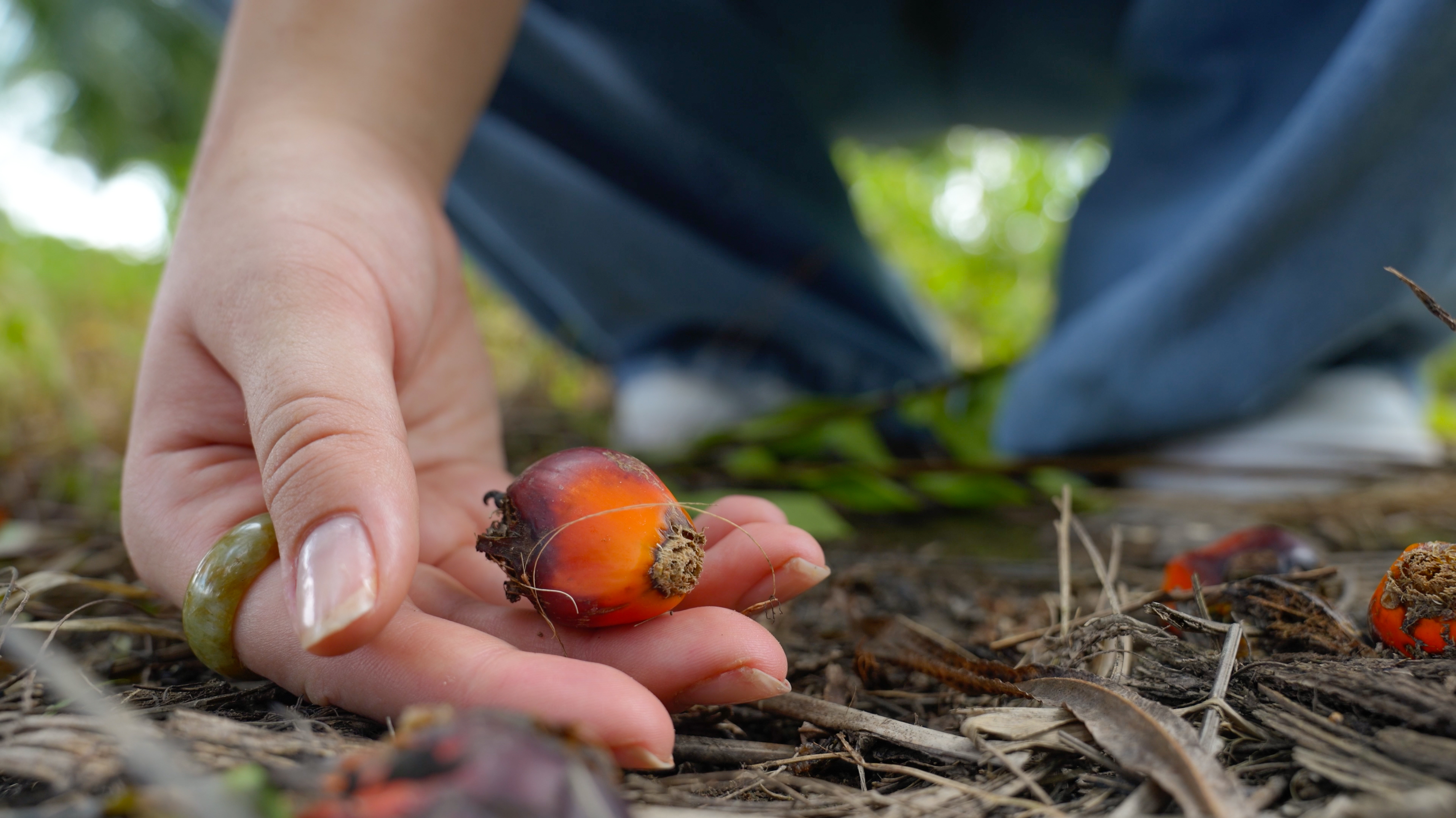
SD Guthrie, previously known as Sime Darby, is Malaysia’s largest producer of palm oil. 
Malaysia and Indonesia source over 85% of the world’s most-used vegetable oil. 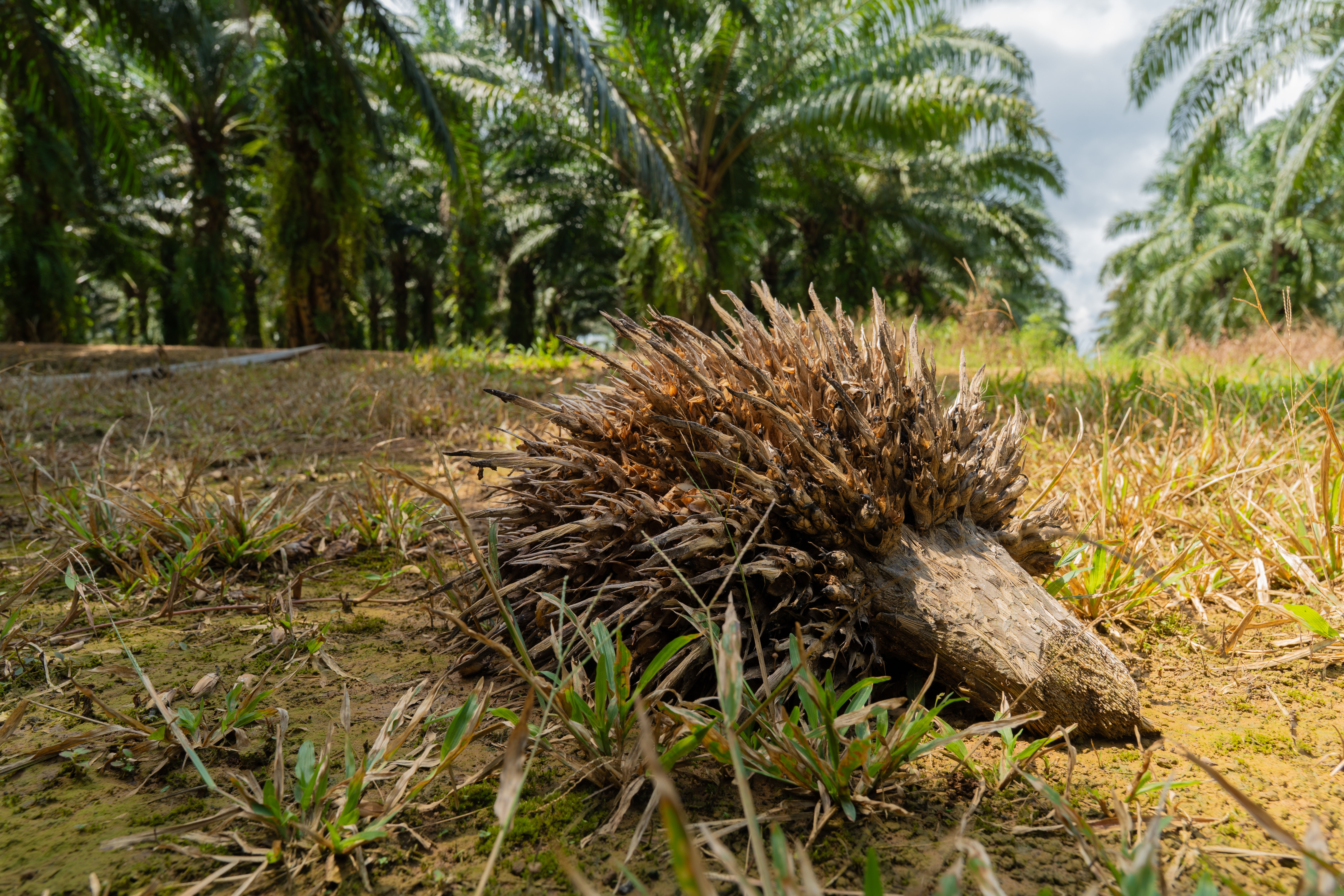
While the plant (Elaeis guineensis Jacq.) can grow in a variety of soils and warm, wet climates, I have found that Southeast Asia’s unique political history prepped the region for a palm oil boom. 
Palm oil is globally appreciated for its low production cost and versatility as an ingredient for cooking, preservatives, cosmetics, detergents, and even biofuel. 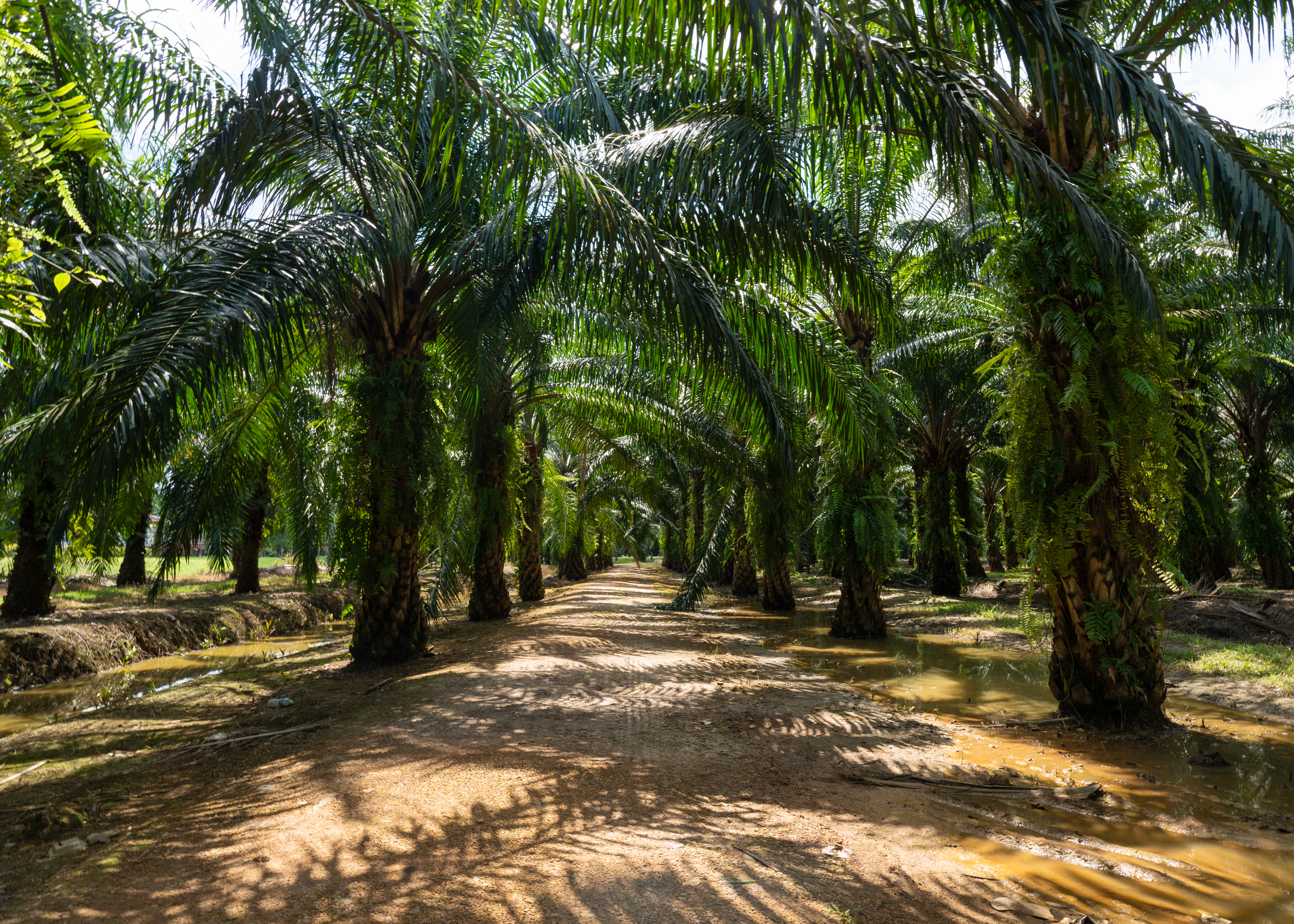
Palm oil development is a driving force for deforestation and biodiversity loss in Malaysia and Indonesia, which together experience the highest rate of deforestation in the world. 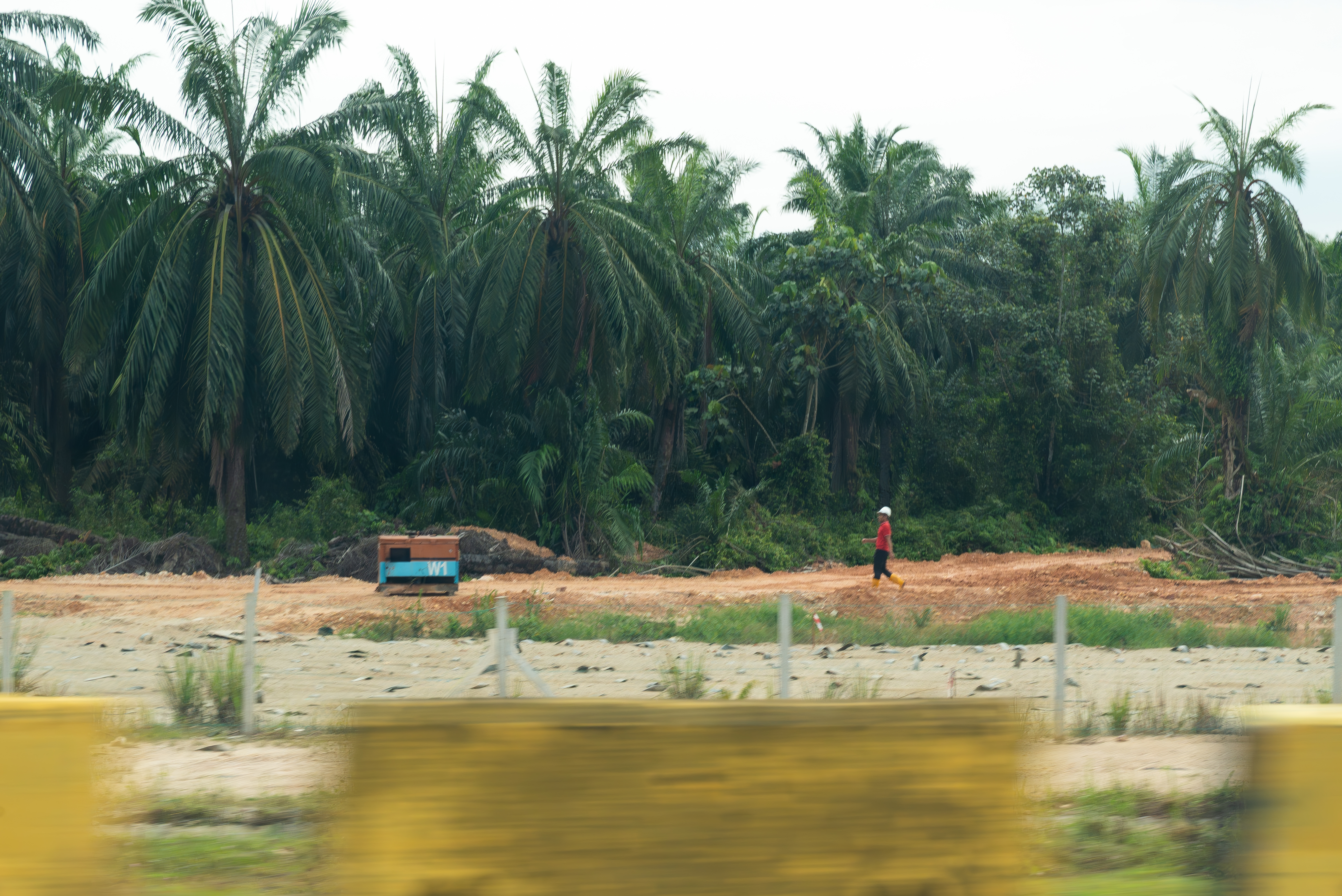
There is significant evidence that abusive working conditions still exist on sustainability-certified plantations in Indonesia, such as debt bondage, chemically-toxic tasks, coercive work, and child labor. 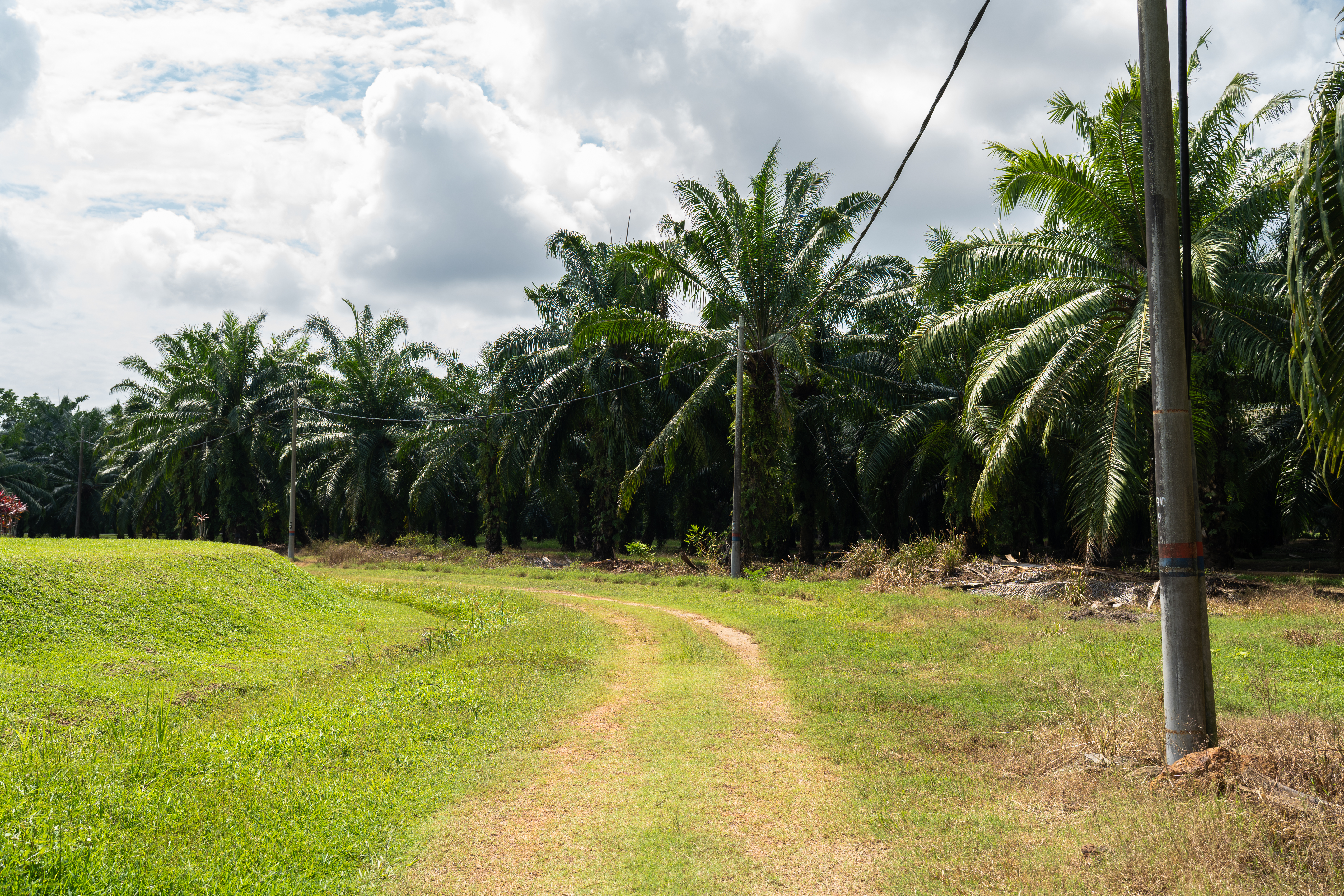
Investors and government officials often promote palm oil as a way to boost gross domestic product, reduce poverty, and develop rural communities in Southeast Asia. Yet, environmental research shows that regional economic growth from palm oil varies significantly depending on the financial situations of local residents and the ecological context in which people live. 
Environmental studies report that the next best vegetable oils on the market, rapeseed and sunflower oils, are not as scalable or efficient as palm oil trees, though yield efficiency may decrease as climate change intensifies.
COMING SOON – First Nation Food Insecurity
A photojournalism project shot in Uqtiagvik, Alaska that explores the price inflation and inaccessibility of basic food systems in indigenous Arctic communities.

samples – portraits




samples – live music







samples – street + abstraction





samples – photojournalism




 Iman June Blackwell